Richard Ward
Artist Statement
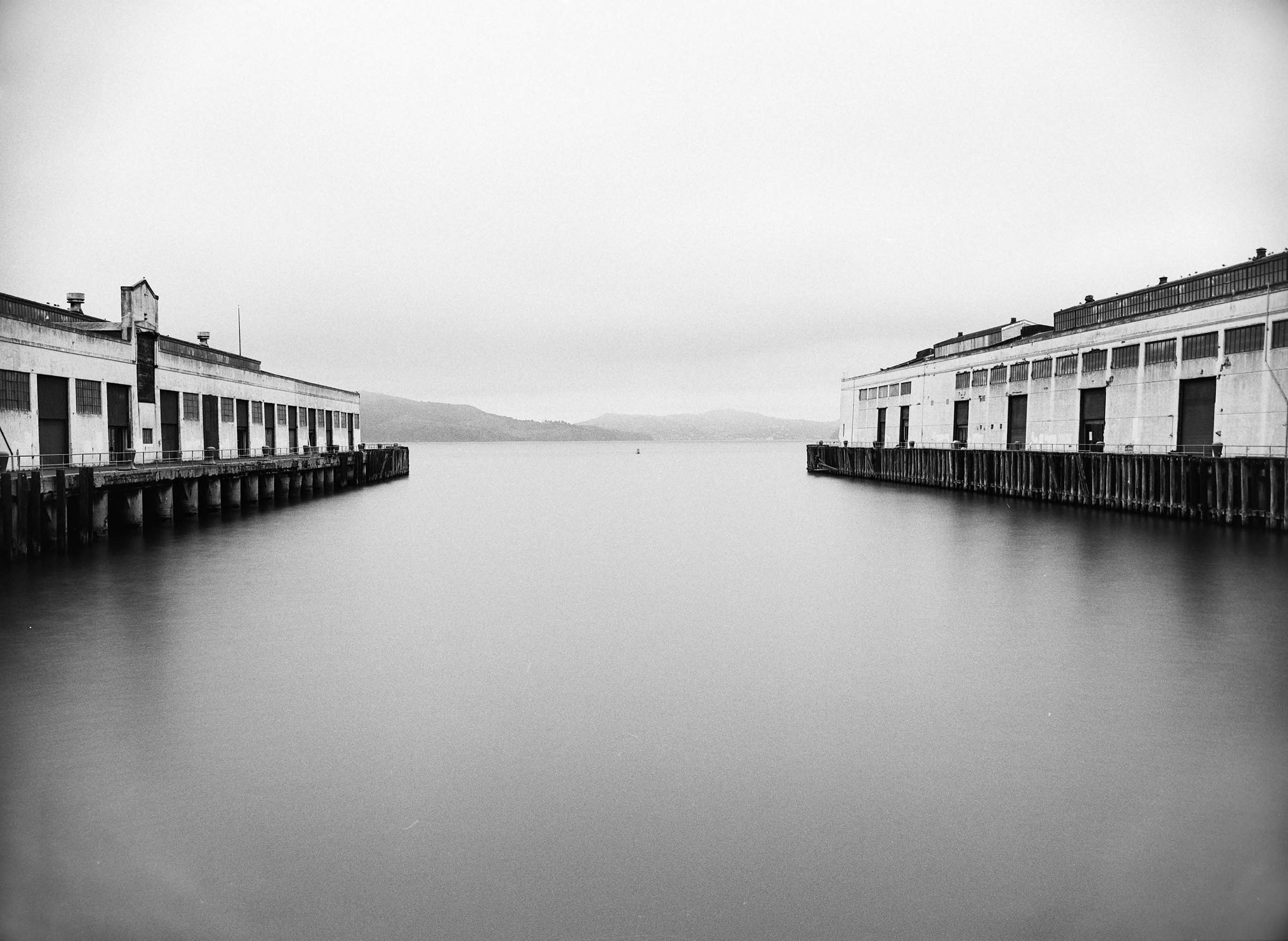
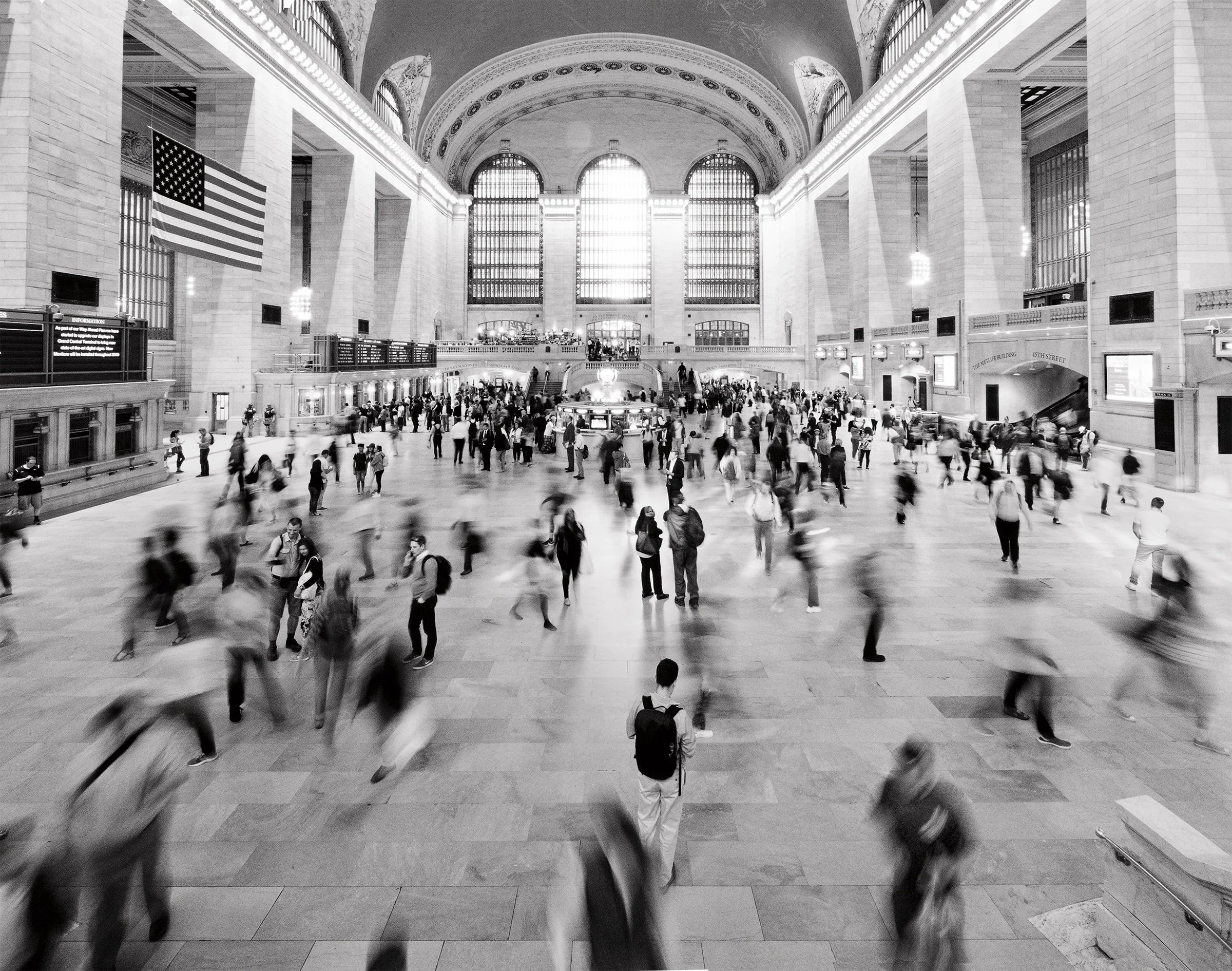
I was first drawn to the art of photography when I was about thirteen. In the mid 50’s photography as a fine art wasn’t well known in the art world and was rarely displayed in major art museums. There were only a handful of galleries specializing in photography, mostly in New York and one or two in San Francisco. It took an effort to see the works of the great artist/photographers, like Edward Weston, Ansel Adams, Miner White, Walker Evans, Paul Strand, Imogen Cunningham, Alfred Stieglitz, Harry Callahan, Henri Cartier-Bresson and Dorthea Lange. That was a long time ago and I’m not sure how I was first introduced to their work, but it’s possible that the Gary Public Library might have had monographs with the works of some of these master artists.
There were also monthly camera magazines like Popular Photography, Modern Photography and U.S.Camera. When Edward Weston died in 1957, U.S.Camera ran an issue devoted to his work, which I may still have.
My high school Had a number of classes in the “trades” like wood shop, metal shop, printing, drafting and photography. The photography teacher, George Strimbu was finishing his master’s degree at the Institute of Design at Illinois Institute of Technology (IIT) in Chicago, working with Aaron Siskind and Harry Callahan. At that time it was one of the most important graduate programs in photography. My high school photography program gave me a good basic photographic education. I also had an after-school job printing for a local portrait photographer which really refined my printing skills. After graduation and a year working in the steel mill (another important form of education) I studied commercial photography at the Layton School of Art in Milwaukee where we were trained in all aspects of the profession. There were classes in studio lighting, portraiture, photo journalism, product photography, photo retouching and much, much more. It was a two year program. Following Layton decided to enroll at Indiana University to get my Bachelor’s degree in fine arts. I went on to get my MFA in photography. My goal was to teach photography at the college level but in 1969, Uncle Sam had a different idea. The Army sent me to Savannah, Georgia and Munich Germany. When I got out of the service in 1971, I worked as a photographer at the Newark, Delaware Daily Post. A few months later I took a position with Dupont as a technical representative selling medical x-ray film. While the position wasn’t really right for me, I quickly met several fine arts photographers including two who had a camera store with darkrooms and a gallery space. I continued with my photography but after six years in Fresno, dealing with a failing marriage, a job I wasn’t suited for in a town that wasn’t to my liking, I took a position as a sales rep with Olympus Camera. In 1979, I moved to Albany, California in the Bay Area. This was just the change I needed! I was calling on camera stores and was able to do much more photography. A couple of the stores even had rental darkrooms. Things were looking up! I continued photographing plus there were museums and galleries in the Bay Area that showed fine art photography. Three years later I met my wife Sharon who worked at one of the camera stores I called on and was studying photography at San Francisco City College.
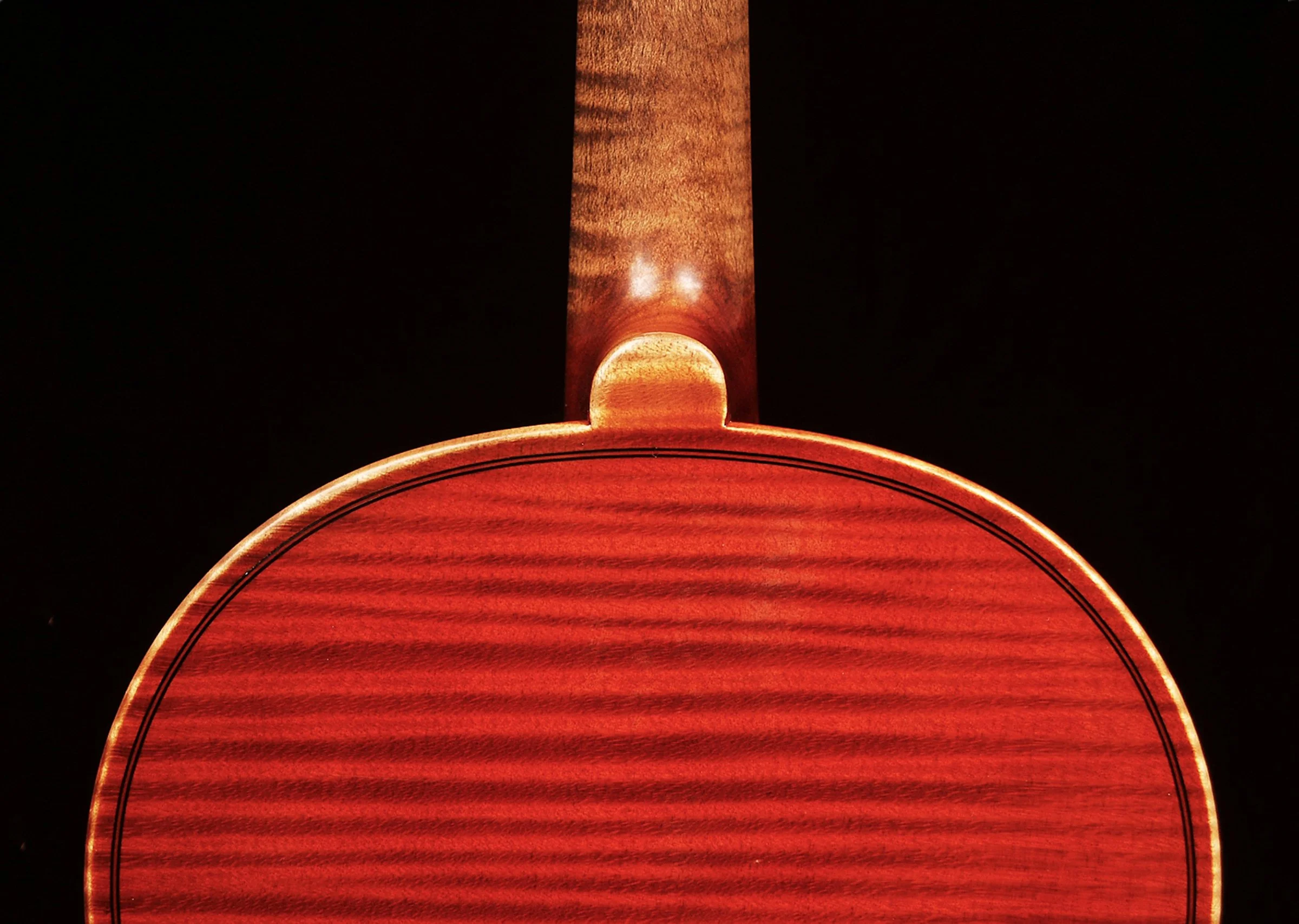
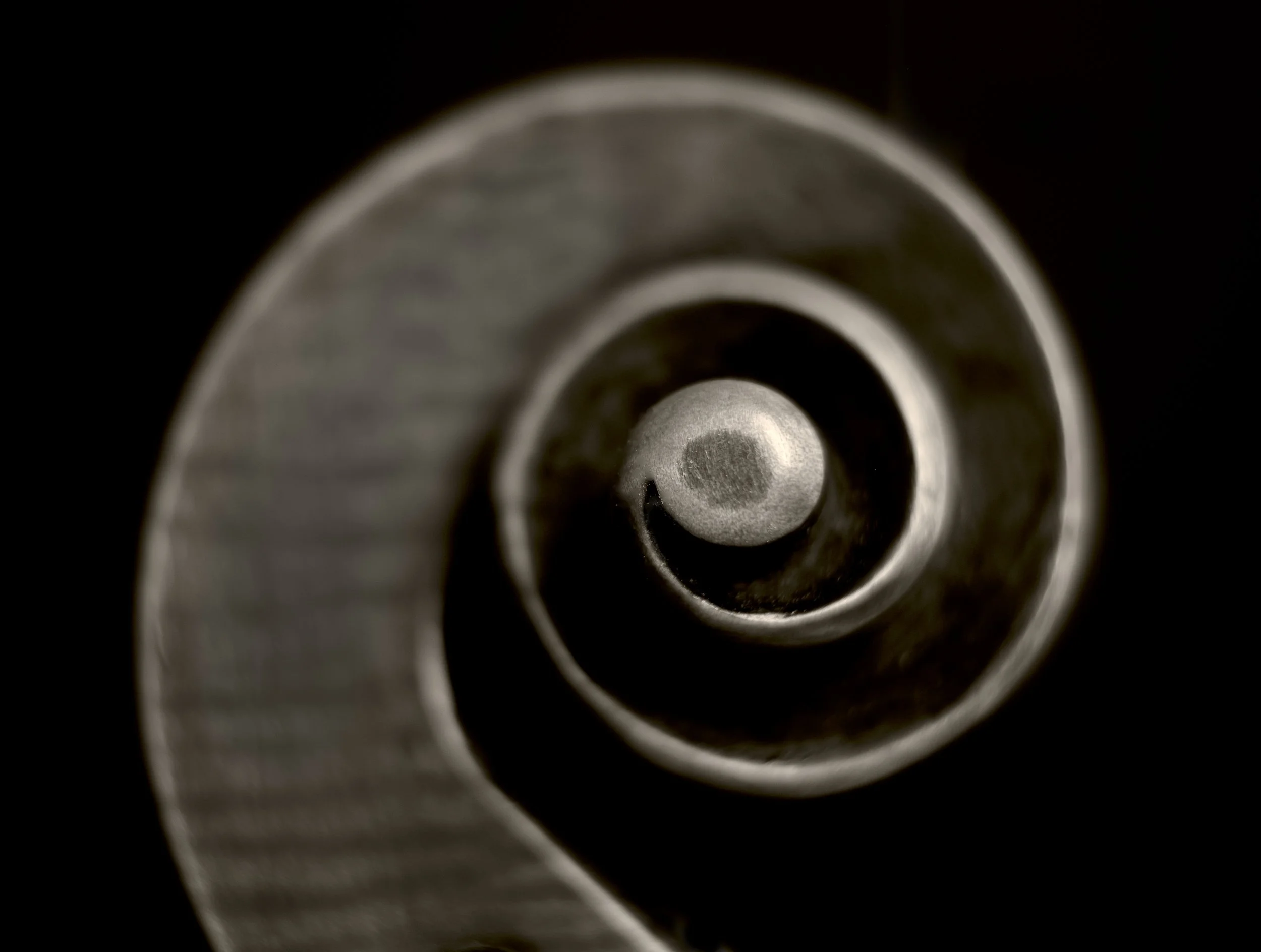
Although also a photographer, her work is very different from mine, we have encouraged and motivated each other over the last 42 years. I had two different jobs in the photo industry and a couple of years working in an art gallery in San Francisco. In 1990 I took a position with a friend, Jay Ifshin, a violin maker who had opened his violin shop a few years earlier. I had played the violin since I was ten and had an extensive knowledge of fine old violins. He also needed someone to photograph all the old instruments and bows that came through the shop. I had just the background he needed, having done a great deal of studio photography over the years. Since then the shop has grown dramatically to become one of the major violin shops in the country.
After 36 years, I still work for Ifshin Violins two days a week, mostly as a photographer. Since then I’ve also been doing more and more photography on my own. I converted a large storage space in our house into a darkroom and used it extensively for a number of years, until I (like almost every photographer) converted to digital.
Over the last few years I’ve been spending more and more time going over my work of the last 50 or 60 years, seeing how my work has evolved, but still maintaining a certain philosophy that I began to work with so long ago.